
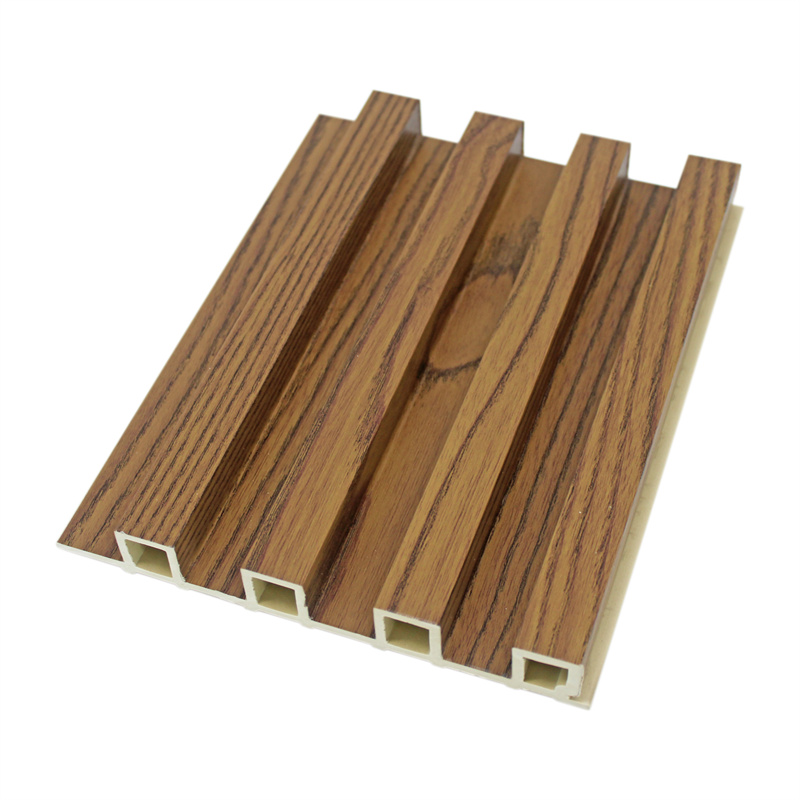
In the evolving world of interior design and construction, materials that offer durability, aesthetic appeal, and environmental benefits are increasingly in demand. Among these, Wood Plastic Composite (WPC) interior wall paneling has emerged as a leading solution, blending the advantages of traditional wood with modern polymer technology to create versatile, stylish, and sustainable wall coverings.
**What is WPC Interior Wall Paneling?**
WPC interior wall paneling is crafted from a composite material composed primarily of wood fibers and plastic polymers. This fusion results in a product that exhibits the natural look and texture of wood while overcoming many of wood’s traditional limitations. Unlike conventional wood panels, WPC panels are resistant to moisture, termites, and warping, making them ideal for various indoor environments, including kitchens, bathrooms, and living spaces prone to humidity.
Moreover, WPC panels offer superior dimensional stability, ensuring that walls retain their aesthetic integrity over time. The panels are easy to install, maintain, and clean, positioning them as a practical choice for both residential and commercial interiors.
**Advantages of WPC Interior Wall Paneling**
1. **Durability and Longevity**: The composite nature of WPC wall panels enhances their resistance to cracking, rotting, and swelling. Unlike many wood-based products, WPC panels withstand the effects of water and humidity without deteriorating, making them suitable even for challenging environments.
2. **Eco-Friendly Manufacturing**: Many WPC panels are produced using recycled wood fibers and plastics, supporting sustainable practices. This blend reduces reliance on virgin wood, preserving forest resources and minimizing environmental impact.
3. **Aesthetic Versatility**: Available in a variety of colors, textures, and finishes, WPC panels can replicate the appearance of natural wood, stone, or other materials, allowing designers and homeowners to customize interiors according to their preferences.
4. **Low Maintenance**: Unlike painted or varnished wood that requires periodic refinishing, WPC wall panels retain their appearance with minimal upkeep. They are also easy to clean and resist mold and mildew growth.
5. **Installation Ease**: WPC panels can be installed using straightforward methods such as tongue-and-groove systems or adhesive backings, reducing labor costs and installation time.
**Current Market Trends and Applications**
The construction and interior design industries are embracing WPC interior wall paneling as part of a broader shift toward sustainable, durable, and visually appealing materials. From modern residential homes to commercial offices and hospitality venues, WPC products are gaining traction for wall cladding, ceilings, partitions, and decorative features.
Designers appreciate that WPC panels provide both functional and aesthetic enhancements, offering opportunities to create contemporary, warm, and inviting environments. Additionally, the product’s ability to resist moisture extends the usability of wall paneling to areas previously limited to tiles or paint finishes.
**About the Manufacturer**
Leading the production and innovation of WPC interior wall panels is Shandong WALLART New Building Material Co., Ltd., a company renowned for integrating product development, production, and sales under one roof. Based in Shandong, China, the company primarily focuses on manufacturing WPC interior and exterior products as well as PVC products.
By leveraging advanced technology and stringent quality controls, Shandong WALLART delivers products that align with international standards, catering to a global market’s needs. Their commitment to research and development ensures continual improvement in product performance, appearance, and environmental compatibility.
**Innovation and Quality Assurance**
Shandong WALLART prioritizes innovation in its product lines, constantly exploring new compositions and manufacturing techniques to enhance the strength, finish, and versatility of its wall paneling. This innovation is underpinned by robust quality assurance protocols that guarantee consistency and reliability across production batches.
Customers benefit from an extensive product range designed to meet various architectural and interior design requirements. Whether for residential renovations or large-scale commercial projects, the solutions offered provide durability, aesthetic flexibility, and ecological benefits.
**Sustainability Commitment**
In an era where sustainable building practices are increasingly imperative, WPC wall paneling represents a responsible choice. The company’s use of recycled materials in production reflects increasing industry trends toward circular economy principles. Additionally, WPC products contribute to healthier indoor environments due to their resistance to mold and allergens.
**Looking Forward**
The future of interior decoration is closely tied to materials that enhance comfort, sustainability, and visual appeal. WPC interior wall paneling embodies these qualities, signaling a shift away from traditional wood and synthetic options toward composite materials that offer the best of both worlds.
As consumers and builders alike seek out solutions that combine environmental responsibility with aesthetic excellence and practical functionality, products like WPC wall panels stand poised to redefine interior spaces globally.
**Conclusion**
WPC interior wall paneling is rapidly becoming a preferred choice for diverse interior applications due to its unique combination of durability, eco-friendliness, ease of maintenance, and design versatility. Supported by manufacturers like Shandong WALLART New Building Material Co., Ltd., the material continues to gain traction and evolve, reflecting the dynamic needs of modern construction and design.
Whether renovating a home or constructing a commercial property, selecting WPC wall panels offers a smart, sustainable, and stylish approach to wall covering, enhancing indoor environments for years to come.