
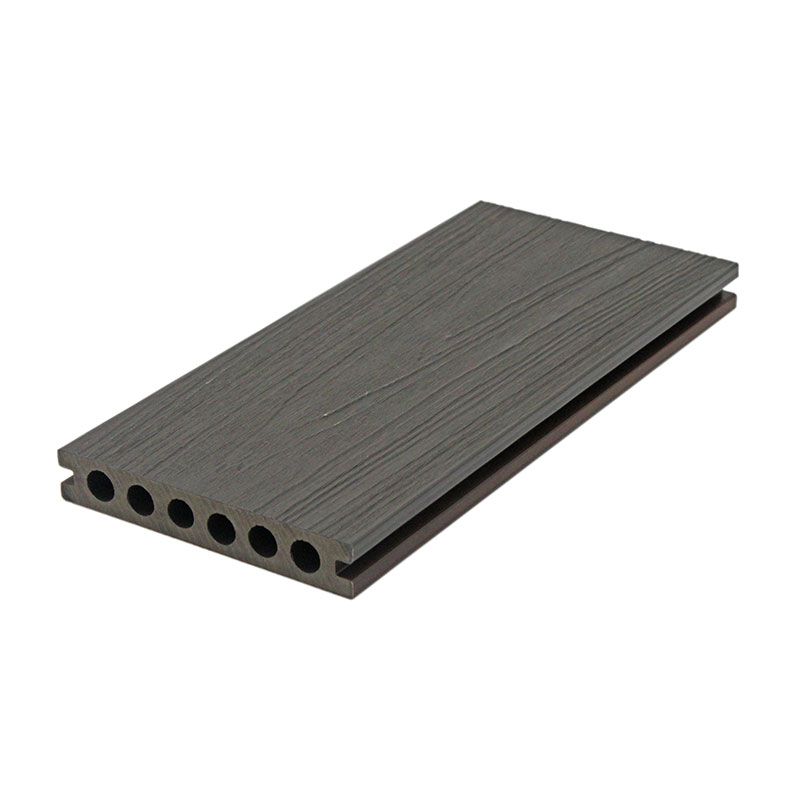
Shandong WALLART New Building Material Co., Ltd., a renowned enterprise integrating product development, production, and sales, continues to solidify its position at the forefront of the building materials industry. The company, primarily focused on producing high-quality WPC (wood-plastic composite) interior and exterior products as well as PVC products, has recently expanded its product portfolio with the introduction and development of innovative PU (polyurethane) panels. This strategic move underscores the company's commitment to delivering cutting-edge, sustainable, and efficient building solutions that meet the evolving demands of modern construction.
**Company Profile and Industry Focus**
Headquartered in Shandong Province, China, Shandong WALLART New Building Material Co., Ltd. has established itself as a key player in the building materials sector. With a comprehensive approach combining research and development, manufacturing capabilities, and sales operations, the firm is uniquely positioned to offer tailored products that cater to various architectural and construction needs. The company’s specialization in WPC interior and exterior products, alongside PVC materials, reflects its focus on providing durable, aesthetically pleasing, and environmentally friendly solutions for both residential and commercial projects.
**PU Panel: A Game-Changer in Modern Construction**
Polyurethane panels, commonly known as PU panels, have garnered significant attention within the construction industry for their exceptional properties and versatility. These panels are lightweight, exhibit excellent thermal insulation, fire resistance, moisture resistance, and are easy to install, making them highly suitable for various applications such as wall cladding, ceiling panels, cold storage, clean rooms, and prefabricated buildings.
Recognizing these benefits, Shandong WALLART has incorporated PU panel production into its extensive product lineup. This integration not only enhances the company’s competitiveness but also aligns with global trends favoring environmentally responsible and energy-efficient building materials.
**Innovative Product Development and Quality Assurance**
True to its reputation, Shandong WALLART New Building Material Co., Ltd. has dedicated substantial resources toward the research and development of its PU panel products. The company employs advanced manufacturing technologies to ensure that every panel meets stringent quality standards. Features such as high-density rigid polyurethane foam cores sandwiched between protective outer layers enable the panels to deliver superior performance in insulation and structural stability.
Moreover, these PU panels are designed with sustainability in mind. The materials used are recyclable and contribute to reducing carbon footprints in construction projects. Alongside durability and thermal efficiency, the panels provide aesthetic flexibility, with various surface finishes and color options available to meet diverse architectural requirements.
**Market Demand and Applications**
In recent years, the demand for PU panels has surged globally, driven by increased awareness of energy efficiency and stringent building regulations. Shandong WALLART’s strategic venture into PU panel production positions the company to tap into multiple high-growth markets. The products' suitability for use in clean rooms and cold storage facilities particularly appeals to clients within pharmaceutical, food processing, and electronics sectors, where hygiene and temperature control are paramount.
Additionally, the lightweight nature and ease of installation of PU panels reduce construction time and labor costs, factors that contractors and developers highly value. This efficiency gain further enhances the appeal of these panels in large-scale commercial projects as well as in prefabricated housing segments.
**Sustainability and Environmental Responsibility**
Environmental consciousness is increasingly central to the building materials industry, and Shandong WALLART New Building Material Co., Ltd. embraces this shift wholeheartedly. The company’s PU panels are manufactured to contribute to green building certifications by improving energy conservation through excellent thermal insulation. By minimizing heat transfer, buildings utilizing these panels can reduce their reliance on heating and cooling systems, leading to lower energy consumption and carbon emissions.
Furthermore, the company is committed to responsible manufacturing practices, ensuring minimal waste production and adopting recycling methods wherever feasible. This approach not only supports global sustainability initiatives but also resonates with environmentally aware customers and partners.
**Strategic Outlook and Future Prospects**
Looking ahead, Shandong WALLART New Building Material Co., Ltd. plans to continue expanding its innovation capabilities, exploring new formulations and designs for PU panels to broaden their application scope. The company is also investing in marketing and international partnerships to bring its products to new markets worldwide.
Integrating PU panels with the existing WPC and PVC product lines enables the firm to offer comprehensive solutions that address varied building requirements — from aesthetics and durability to thermal performance and environmental sustainability. This holistic product strategy is expected to strengthen the company’s market position and foster long-term growth.
**Conclusion**
With its robust background in the production of WPC interior and exterior products and PVC products, Shandong WALLART New Building Material Co., Ltd. is making significant strides by incorporating PU panels into its product offerings. This advancement not only enhances the company’s competitive edge but also contributes positively to the construction industry by promoting energy-efficient, sustainable, and versatile building materials.
As the global construction landscape continues evolving towards greener, smarter solutions, Shandong WALLART stands ready to meet these challenges through innovation, quality manufacturing, and customer-centric approaches — paving the way for a more sustainable built environment worldwide.