
In the evolving landscape of construction and interior design, the demand for sustainable, durable, and versatile building materials continues to rise. Among the latest breakthroughs capturing industry attention are composites that combine wood fibers and plastic polymers, offering an eco-friendly alternative to traditional wood products. These materials are gaining traction for their unique advantages in both interior and exterior applications, reflecting a significant shift towards greener construction practices.
One company leading the charge in this sector is Shandong WALLART New Building Material Co., Ltd. As an integrated enterprise focusing on product development, production, and sales, the company specializes in manufacturing high-quality interior and exterior building components made from wood-plastic composites (WPC) and polyvinyl chloride (PVC) products. Their comprehensive approach encompasses a full spectrum of innovative solutions designed to meet the varied needs of modern construction projects.
### The Rising Popularity of Wood-Plastic Composites
Wood-plastic composites are engineered materials combining recycled wood fibers or wood flour with plastic resins, resulting in products that retain the aesthetic appeal of wood while offering enhanced longevity and lower maintenance requirements. These composites do not suffer from typical wood issues such as rot, insect damage, or warping, making them ideal for outdoor installations exposed to harsh weather conditions.
In practical usage, these materials are being widely adopted for decking, fencing, cladding, and trim applications, contributing to longer product lifecycles and reducing resource consumption. Additionally, WPC products offer superior resistance to moisture and UV radiation, which contributes to their durability in diverse environmental conditions.
### Broad Application Spectrum
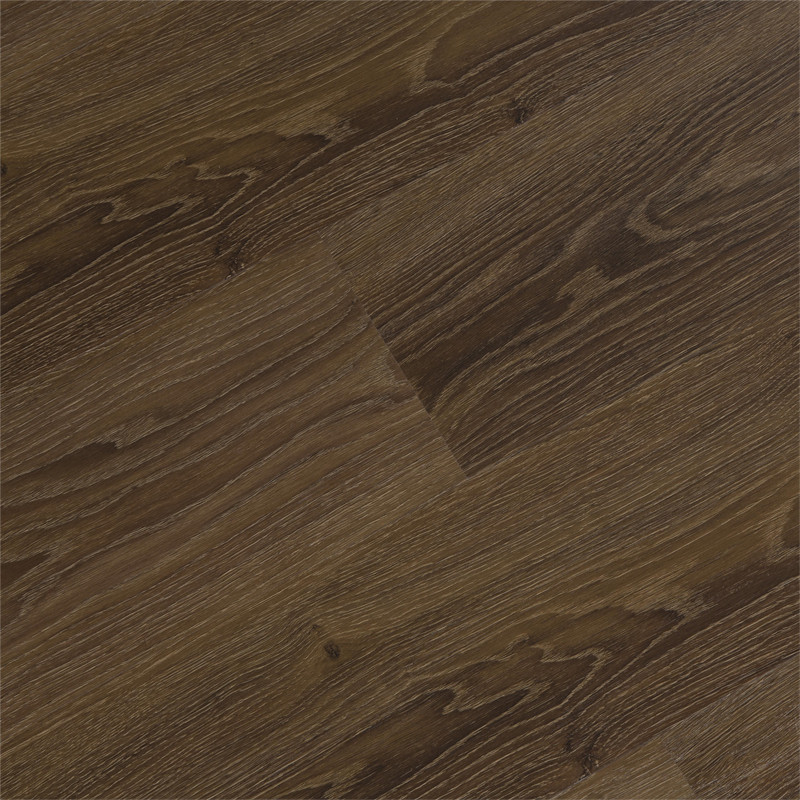
Due to their versatility, these materials are increasingly utilized across residential, commercial, and public infrastructure projects. Indoor applications include decorative wall panels, molding, and flooring solutions that mimic natural wood textures with greater stability and resistance to humidity, which is indispensable in kitchens, bathrooms, and basements.
On the exterior front, components manufactured with these composites are used for decking boards, façade panels, garden furniture, and railing systems. Their resistance to weather elements reduces long-term maintenance costs and upkeep, thereby appealing to property developers and homeowners focused on sustainable investment.
### Environmental and Economic Benefits
The environmental advantages of WPC products are significant. By using recycled plastics and sustainably sourced wood fibers, the manufacturing process contributes to waste reduction and forest conservation. This aligns with global trends and regulatory incentives promoting circular economy principles.
Economically, although the initial cost of composite materials might exceed that of untreated wood, the extended service life and reduced needs for painting, sealing, or replacing damaged sections translate to cost savings for end-users over time. This balance of initial investment versus lifecycle benefits is a critical factor encouraging uptake across multiple market segments.
### Shandong WALLART's Role in Industry Innovation
Shandong WALLART New Building Material Co., Ltd. has positioned itself as a crucial player by delivering premium quality, environmentally conscious materials tailored to both traditional and contemporary building demands. With a robust product portfolio covering a variety of WPC and PVC applications, the company meets diverse architectural and design requirements.
Their focus on research and development enables the integration of advanced manufacturing techniques, ensuring product consistency and performance. This dedication is reflected in their high standards of quality control, from raw material sourcing through final production, creating a reputation for reliability and excellence.
Furthermore, the company’s expertise extends to providing technical support and customized solutions, helping clients effectively integrate these innovative materials into their projects. This consultative approach facilitates smoother construction processes and optimizes material benefits according to specific environmental and aesthetic considerations.
### Market Outlook and Future Prospects
As governments worldwide emphasize sustainable building codes and consumers become more conscious of environmental impacts, the demand for eco-friendly composite materials is forecasted to grow steadily. Industry analysts predict that innovations in composite formulations and processing technologies will further enhance product capabilities, expanding their application range.
Shandong WALLART’s commitment to continuous improvement and sustainability positions it well to capitalize on these emerging opportunities. The company is also exploring new product lines and enhancements geared towards improving recyclability and further reducing carbon footprints.
### Conclusion
The construction industry is witnessing transformative changes driven by the adoption of advanced building materials that balance environmental responsibility with practical performance. Wood-plastic composites and PVC products represent a critical part of this transformation by providing durable, low-maintenance alternatives that cater to modern architectural needs.
Shandong WALLART New Building Material Co., Ltd. exemplifies industry leadership through its integrated production and sales strategy focused on innovation, quality, and sustainability. As the global construction sector moves towards greener practices, companies like Shandong WALLART will play an essential role in shaping the future of building materials, contributing to more resilient and environmentally friendly infrastructures worldwide.