
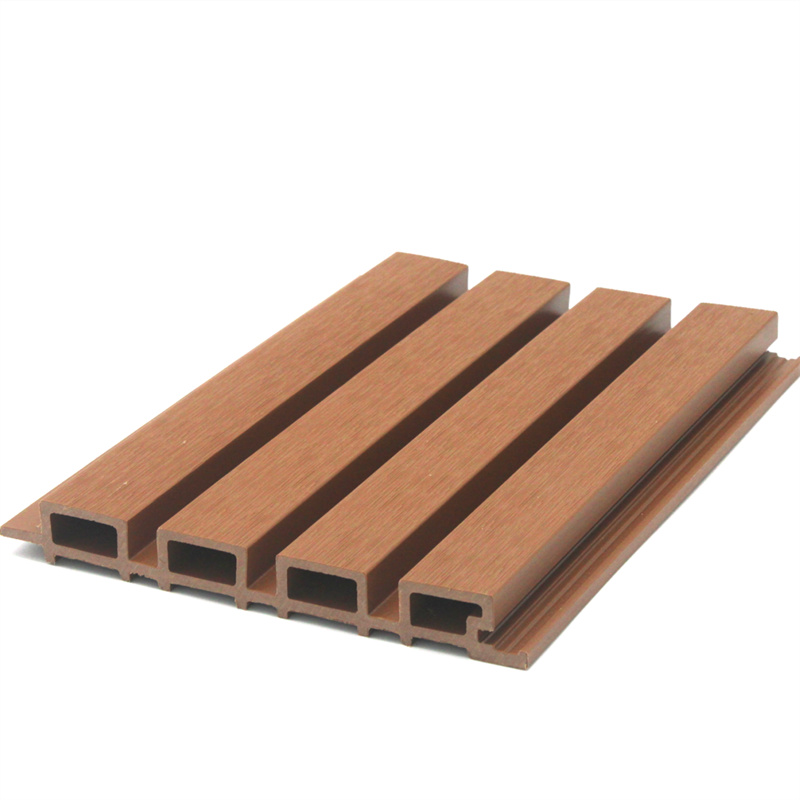
In recent years, the building and construction industry has witnessed significant advancements in materials that combine durability, aesthetics, and environmental sustainability. Among these, Wood Plastic Composite (WPC) decking has emerged as a popular choice for both residential and commercial projects. As demand increases, understanding the pricing dynamics of WPC decking becomes essential for consumers, builders, and industry stakeholders.
### What is WPC Decking?
WPC decking is a composite material made by blending wood fibers or wood flour with thermoplastics such as polyethylene, polypropylene, or polyvinyl chloride (PVC). This mixture creates a highly durable decking product that offers the natural look of wood while maximizing sustainability and minimizing maintenance.
Unlike traditional timber decking, WPC is resistant to rot, insect attacks, and weather-related wear and tear. It also requires no painting or staining, making it a cost-effective and attractive alternative to traditional wood decking.
### Factors Influencing WPC Decking Price
Pricing for WPC decking varies widely, influenced by multiple factors. Understanding these components can help buyers make informed decisions tailored to their budget and project needs.
1. **Material Composition and Quality**
The ratio of wood fibers to plastic and the quality of raw materials used can significantly affect the price. Decking with higher percentages of recycled plastics may be more affordable but might compromise on durability or appearance. High-quality virgin plastics and treated wood fibers typically command higher prices but provide enhanced longevity.
2. **Manufacturing Process**
Advanced manufacturing techniques such as co-extrusion and surface embossing add to production costs but result in decking products with better surface textures, UV resistance, and scratch resistance. These value-added features influence the final price.
3. **Dimensions and Design**
Thickness, width, and length of decking boards, as well as profile designs (grooved or solid edges), affect both function and price. Wider or thicker boards provide greater stability but cost more per linear meter.
4. **Finishing Options**
Specialty finishes like wood grain embossing or multi-color effects can raise the price by improving the aesthetic appeal and mimicking real wood more closely.
5. **Brand and Manufacturer**
Well-established manufacturers may charge a premium due to assurance of consistent quality, warranties, and after-sales services. Working with reputable companies also reduces risks related to product defects and project delays.
6. **Supply Chain and Market Conditions**
Raw material costs, transportation, tariffs, and market demand fluctuations play a role in pricing. Periods of high demand or supply constraints typically push prices upward.
### The Role of Shandong WALLART New Building Material Co., Ltd. in the Market
A key player in the WPC decking market is Shandong WALLART New Building Material Co., Ltd., an enterprise specializing in product development, production, and sales of WPC interior and exterior products alongside PVC solutions. With a comprehensive approach to innovation and quality control, the company has positioned itself as a reliable supplier for a wide range of building material needs.
Shandong WALLART’s product line emphasizes high-performance WPC decking that combines strength, durability, and eco-friendly attributes. By integrating cutting-edge manufacturing technology and environmentally conscious practices, the company offers WPC decking options that meet the evolving demands of modern construction.
### Advantages of Choosing WPC Decking from Reputable Suppliers
- **Longevity and Low Maintenance**: Compared to timber, WPC decking resists moisture, decay, and pests, significantly reducing maintenance efforts and costs over time.
- **Environmental Benefits**: WPC decking incorporates recycled materials and reduces reliance on virgin timber, contributing to forest conservation and waste reduction.
- **Aesthetic Flexibility**: With various color options, textures, and finishes available, WPC decking can easily complement diverse architectural styles and personal preferences.
- **Cost Efficiency**: While initial costs may be comparable or slightly higher than traditional wood, the extended lifespan and minimal upkeep make WPC decking cost-effective in the long run.
### Market Trends Impacting WPC Decking Price
The global shift toward sustainable construction and green building materials is driving increased adoption of WPC decking. As governments and consumers place greater emphasis on environmental responsibility, manufacturers are investing in research to improve product performance and reduce environmental impact.
Moreover, infrastructural development and urbanization, especially in Asia-Pacific regions, are boosting demand for innovative exterior materials. This growing market is attracting new entrants and stimulating competitive pricing, which benefits end-users.
### Tips for Buyers When Considering WPC Decking
- **Evaluate Specifications**: Assess thickness, density, water absorption rates, and warranty terms to ensure that the product meets durability requirements.
- **Compare Multiple Offers**: Obtain quotations from different manufacturers and consider total cost of ownership, not just upfront price.
- **Check Certifications and Standards**: Look for compliance with international quality and environmental standards to avoid inferior products.
- **Consider Installation and Maintenance Costs**: Factor in ease of installation and any recommended cleaning or upkeep procedures.
### Conclusion
WPC decking is a transformative material in the construction industry that merges natural aesthetics with modern durability. While the pricing of WPC decking can vary based on multiple factors—from raw material quality to manufacturing sophistication—its long-term benefits make it an attractive investment.
Companies like Shandong WALLART New Building Material Co., Ltd., with their integrated approach to product development, production, and sales, contribute significantly to advancing the quality and accessibility of WPC decking products. As consumer awareness and demand for sustainable materials grow, WPC decking’s prominence is expected to rise, shaping the future landscape of building materials.
For prospective buyers and builders, understanding the components influencing WPC decking price and partnering with reputable manufacturers are essential steps to achieving value, performance, and environmental responsibility in decking projects.