
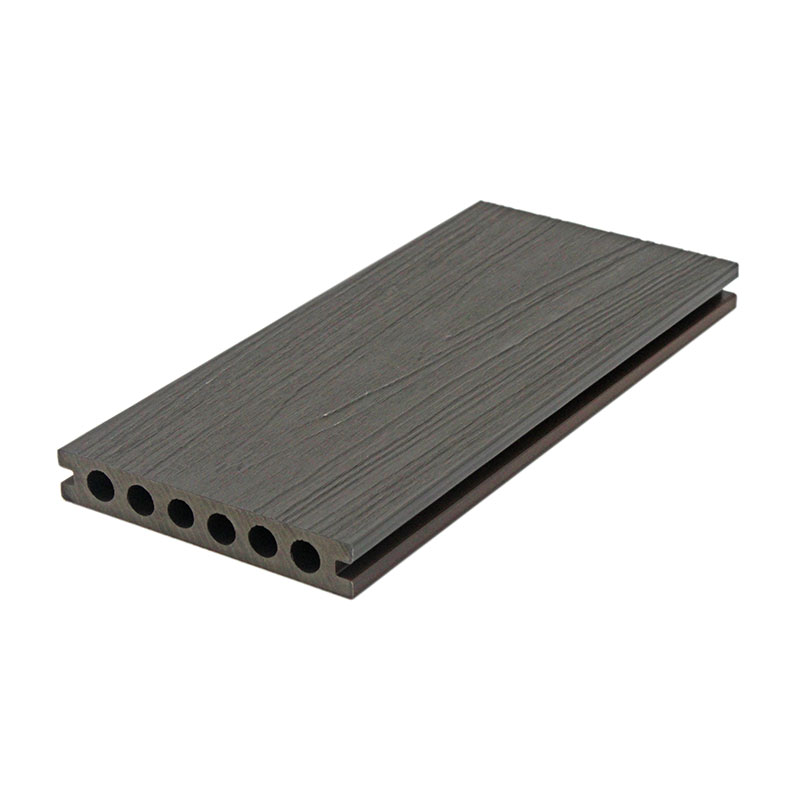
In recent years, wood-plastic composite (WPC) decking has surged in popularity among homeowners, builders, and architects alike, thanks to its blend of aesthetic appeal, durability, and eco-friendliness. As sustainable building materials gain traction globally, WPC decking has emerged as a frontrunner in outdoor flooring options. Understanding the current market trends and pricing of WPC decking is crucial for consumers and stakeholders aiming to make informed decisions. This article explores the evolving landscape of WPC decking prices, key factors influencing the market, and a look at manufacturers leading this transformation—highlighting the role of Shandong WALLART New Building Material Co., Ltd., a prominent enterprise specializing in WPC interior and exterior products.
### Rising Demand for WPC Decking
Wood-plastic composite decking is crafted from a blend of wood fibers and thermoplastics, delivering a material that combines the natural look of wood with enhanced durability and low maintenance requirements. Unlike traditional wood decking, WPC decking resists rot, warping, and insect damage, making it highly attractive for a variety of outdoor applications.
Driven by increasing environmental awareness and a shift towards sustainable construction, more consumers are turning to composite materials to reduce their carbon footprint. According to industry reports, the global WPC market is expected to continue growing steadily, fueled by construction growth in both residential and commercial sectors.
### Factors Influencing WPC Decking Prices
The price of WPC decking can vary widely depending on numerous factors, including raw material costs, production technology, finish and design options, and regional demand. Typically, WPC decking prices are positioned between natural hardwood and PVC decking, offering a balance of cost-effectiveness and performance.
Key factors affecting pricing include:
1. **Material Composition:** Higher wood fiber content can enhance the natural appearance but may increase susceptibility to moisture absorption unless adequately treated, impacting cost.
2. **Manufacturing Process:** Advanced extrusion and molding technologies improve product quality and lifespan but often come with higher production costs.
3. **Surface Finish:** Decking with embossed or textured surfaces that mimic wood grain commands a premium.
4. **Installation Features:** Innovative designs, such as click-lock systems and hidden fasteners, can affect overall cost.
5. **Supplier Location and Scale:** Production facilities closer to raw material sources or end markets can reduce logistics costs, influencing pricing.
6. **Brand Reputation:** Established manufacturers with proven quality and certifications typically price their products higher to reflect craftsmanship and warranty coverage.
### Market Pricing Overview
As of mid-2024, general market pricing for standard quality WPC decking boards ranges approximately from $15 to $30 per square meter, with premium variants potentially exceeding this range. However, prices are subject to fluctuation based on local factors and production scale.
Customers seeking cost-effective yet durable solutions can find a wide array of options in the mid-price segment, which balances performance and affordability. For specialized architectural projects, higher-priced options offering superior aesthetics, color retention, and resistance to environmental stressors are available.
### Shandong WALLART New Building Material Co., Ltd.: A Leader in WPC Innovation
Among the manufacturers shaping the WPC decking market, Shandong WALLART New Building Material Co., Ltd. stands out as a key player integrating product development, production, and sales under one roof. With a focus on WPC interior and exterior products alongside PVC products, the company leverages cutting-edge technology and rigorous quality control to deliver durable and visually appealing solutions.
Founded with the vision of providing sustainable and innovative building materials, Shandong WALLART has developed manufacturing processes that optimize the balance of wood fiber and plastic polymers—achieving products that meet stringent quality standards while keeping pricing competitive.
Their product range caters to a variety of market needs, from residential decking to commercial outdoor flooring, combining durability with ease of installation. By investing in research and development, the company continuously upgrades its product portfolio, embracing eco-friendly additives and coatings to enhance weather resistance and lifespan.
### Commitment to Sustainability and Customer Satisfaction
Shandong WALLART’s dedication to sustainability is evident in its utilization of recycled plastics combined with responsibly sourced wood fibers, minimizing environmental impact. Moreover, the company adheres to strict production regulations, ensuring that emissions and waste are controlled responsibly.
Customer feedback consistently highlights the company’s reliable after-sales service, technical support, and willingness to customize solutions for specific project requirements. This commitment enhances client confidence and positions the enterprise as a trusted partner in the WPC decking market.
### Conclusion
The WPC decking industry is witnessing dynamic growth driven by an increasing desire for sustainable, low-maintenance, and aesthetically pleasing outdoor flooring options. Pricing continues to be influenced by raw material costs, manufacturing technology, and design innovations, presenting opportunities for consumers to find products that meet their budget and quality needs.
Companies like Shandong WALLART New Building Material Co., Ltd. exemplify the evolving industry landscape by offering comprehensive product lines that blend innovation, sustainability, and value. As the market expands, continued advancements in material science and manufacturing efficiency are expected to improve affordability and performance further.
For individuals and organizations looking to invest in decking solutions that combine beauty, durability, and eco-consciousness, understanding price trends and manufacturer capabilities will be key to making the best choices in this growing sector. WPC decking stands not only as a practical alternative to traditional materials but also as a symbol of progress towards a more sustainable built environment.