
In today’s rapidly evolving construction and interior design landscape, ceiling design has emerged as a critical component that significantly influences the aesthetics, functionality, and ambiance of both residential and commercial spaces. With a growing emphasis on combining innovation with sustainability, new building materials are playing a pivotal role in transforming ordinary ceilings into extraordinary design features.
**The Rising Trend of Ceiling Design Interiors**
Ceilings, often overlooked in traditional interior design, have gained fresh attention as architects and designers seek to create multi-dimensional environments. Ceiling design interiors now go beyond mere coverage—they serve as canvases for artistic expression, acoustic optimization, and enhanced lighting effects. This evolution has triggered demand for versatile, durable, and eco-friendly materials that support creative freedom without compromising practicality.
Contemporary ceiling design solutions incorporate a diverse range of styles, from sleek minimalism to intricate patterns, and innovative textures to dynamic lighting installations. These advancements enable tailored environments that improve spatial perception and user experience, making ceiling design an indispensable element of modern interiors.
**Shandong WALLART New Building Material Co., Ltd.: Driving Innovation in Ceiling Materials**
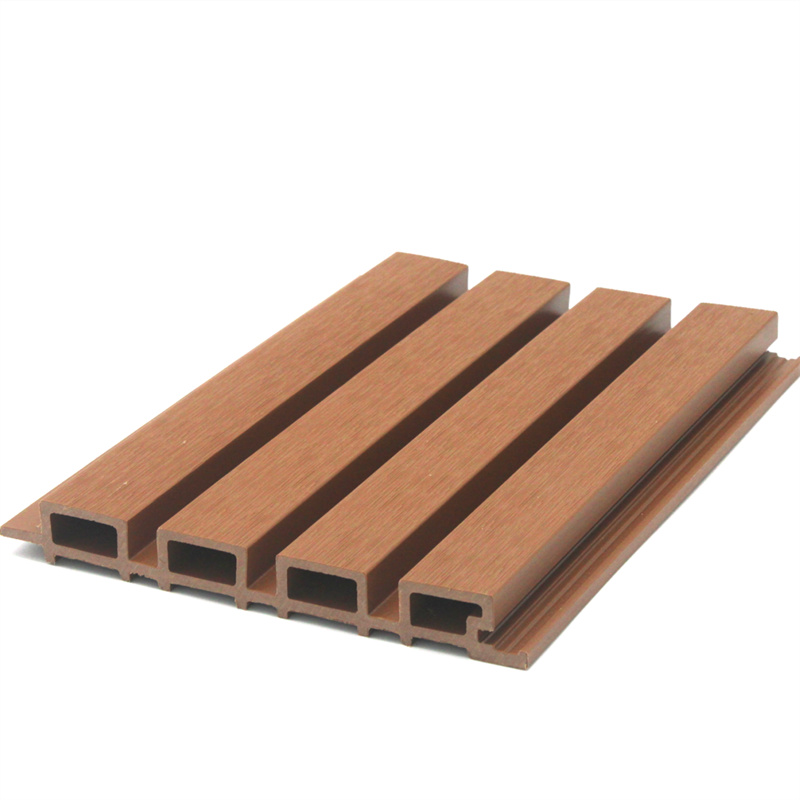
At the forefront of this transformation is Shandong WALLART New Building Material Co., Ltd., an enterprise dedicated to the development, production, and sales of advanced building materials. Specializing in wood plastic composite (WPC) interior and exterior products along with PVC-based materials, the company offers high-quality solutions tailored to meet the evolving demands of ceiling design interiors.
Founded with a commitment to innovation and sustainability, Shandong WALLART leverages cutting-edge technology to manufacture materials that combine the natural aesthetic appeal of wood with the durability and low maintenance of plastic. This fusion results in products that are moisture-resistant, termite-proof, environmentally friendly, and easy to install—qualities highly sought after in ceiling applications.
**Advantages of WPC and PVC Ceiling Materials**
Wood Plastic Composite (WPC) and Polyvinyl Chloride (PVC) ceiling products present several noteworthy advantages that position them as ideal materials for contemporary ceiling design interiors:
1. **Durability and Longevity:** Both WPC and PVC materials resist common issues such as warping, cracking, or rotting, which are frequently encountered with traditional wood ceilings. This ensures a longer lifecycle with minimal maintenance.
2. **Moisture Resistance:** Particularly crucial for environments with high humidity such as bathrooms, kitchens, and commercial spaces, these materials maintain their structural integrity and appearance despite moisture exposure.
3. **Eco-Friendliness:** WPC products often utilize recycled wood fibers and plastics, reducing environmental impact. Additionally, these materials contribute to sustainable building practices by decreasing the demand for natural timber resources.
4. **Easy Installation and Customization:** Lightweight and engineered for compatibility with various installation methods, WPC and PVC ceiling panels allow for flexible design configurations. They can be customized in terms of color, texture, and size to match different interior themes and requirements.
5. **Fire Retardancy and Safety:** Many WPC and PVC products manufactured by responsible companies comply with stringent fire safety standards, thereby enhancing building safety.
**Applications and Market Impact**
The versatility of WPC and PVC ceiling materials has led to widespread application across multiple sectors. Residential homes benefit from their aesthetic adaptability and resilience, commercial office spaces enhance acoustics and design appeal, while hospitality venues utilize these materials to create inviting and visually stimulating atmospheres.
Shandong WALLART New Building Material Co., Ltd. has successfully supplied products to a variety of projects that illustrate the transformative impact of modern ceiling materials. From elegant living rooms to functional outdoor installations, the company’s portfolio underscores the ability of innovative materials to address design challenges while adhering to stringent quality benchmarks.
**Future Outlook**
As consumer preferences increasingly favor sustainable, low-maintenance, and visually appealing solutions, the ceiling design interior segment is poised for continued growth. Advancements in material science and manufacturing processes will likely introduce new product lines that offer enhanced performance characteristics, such as improved acoustic control, integrated lighting options, and even smart functionalities.
Shandong WALLART’s ongoing investment in research and development positions the company to remain a leading innovator, providing cutting-edge materials that empower designers, architects, and builders to push the boundaries of interior design.
**Conclusion**
The evolution of ceiling design interiors reflects broader trends towards sustainability, innovation, and aesthetic refinement in the construction industry. WPC and PVC materials supplied by industry leaders such as Shandong WALLART New Building Material Co., Ltd. offer practical, attractive, and environmentally responsible options that meet the diverse needs of modern architectural projects.
By integrating these advanced materials into ceiling applications, designers can create spaces that are not only visually striking but also durable and sustainable, enhancing both the value and experience of built environments. As the demand for refined interior ceiling solutions grows, the synergy between design creativity and material innovation will continue to drive the future of interior architecture.